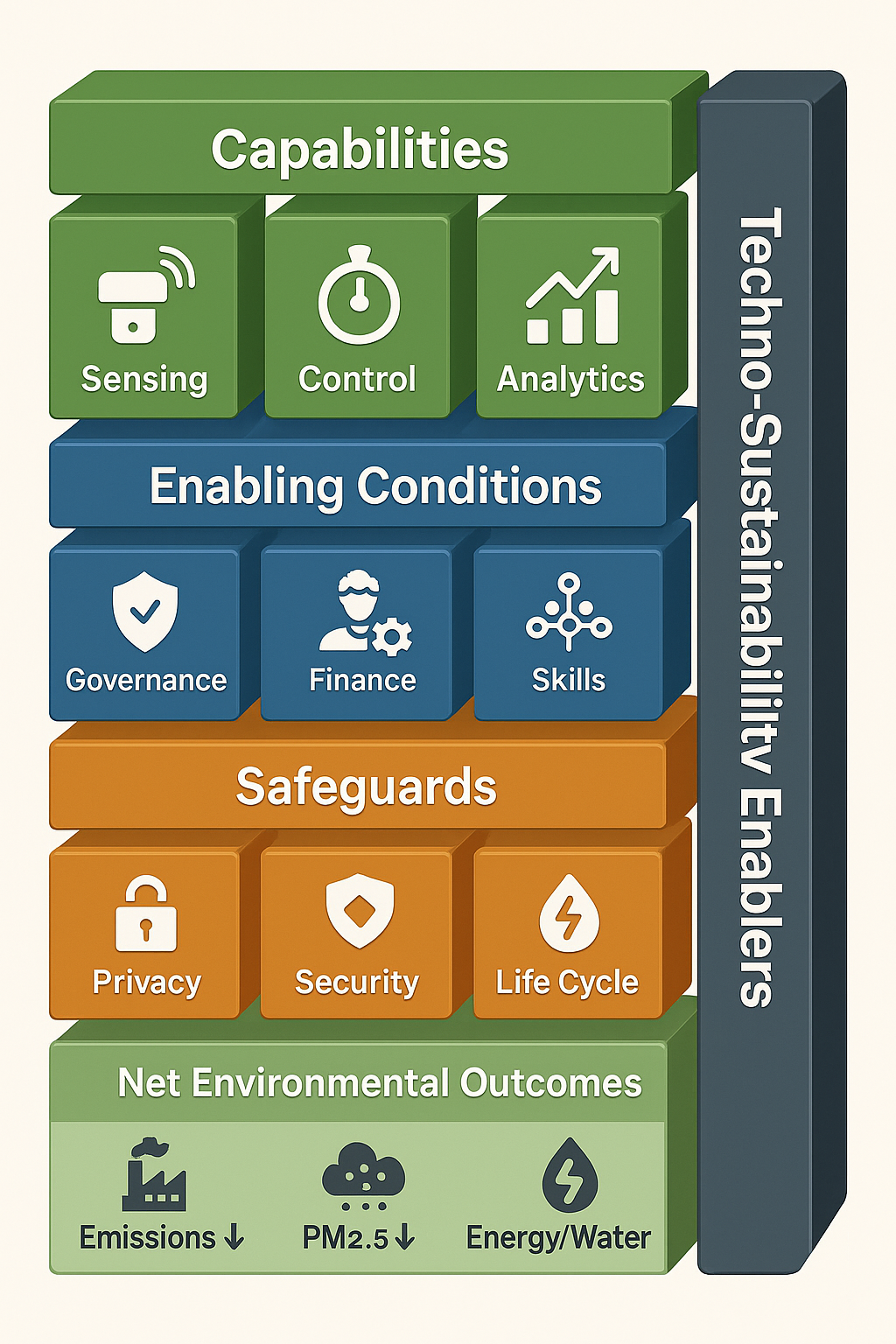
1. Capabilities
Sensors collect PM data, analytics reveal patterns, and the traffic demonstration converts measurements into a control recommendation.

The most dangerous air pollution is often the one you cannot see. PM2.5 is among the most harmful air pollutants. It consists of microscopic particles that can travel deep into the lungs and enter the bloodstream. Exposure to PM2.5 has been linked to lung cancer, heart disease, stroke, asthma, and premature death, with children, older adults, pregnant women, and people with existing health conditions facing the greatest risk. We provide live PM2.5 measurements to help you stay informed and reduce your exposure when pollution levels become unsafe.
Waiting for live data. This section will help families decide when to open windows, go outside or reduce exposure.
Waiting for live data. This section will support outdoor play, sports and classroom safety decisions.
Waiting for live data. This section will explain whether running, sports or long outdoor activity is practical.